Yes to Dame Dash, No to Waymos: Meet the BBS Boys
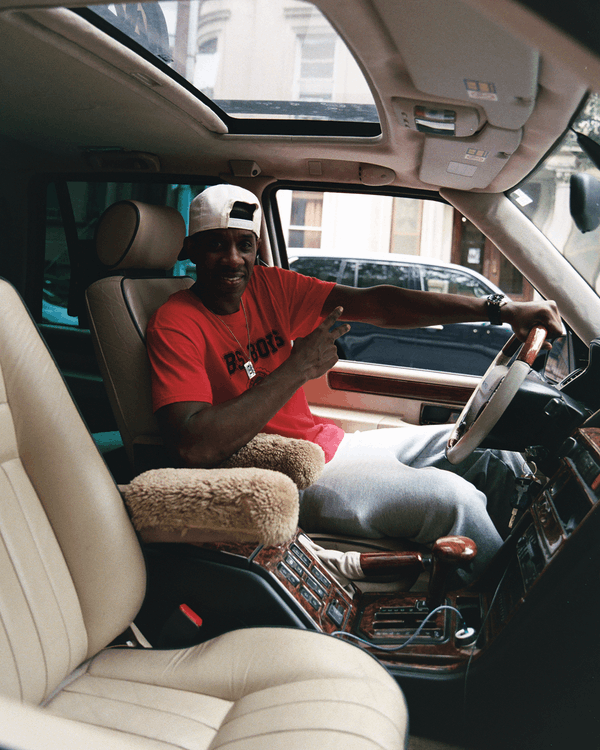
From building custom rides for hip-hop royalty to rejecting self-driving cars, the Harlem car club breaks down the golden era of automotive design.

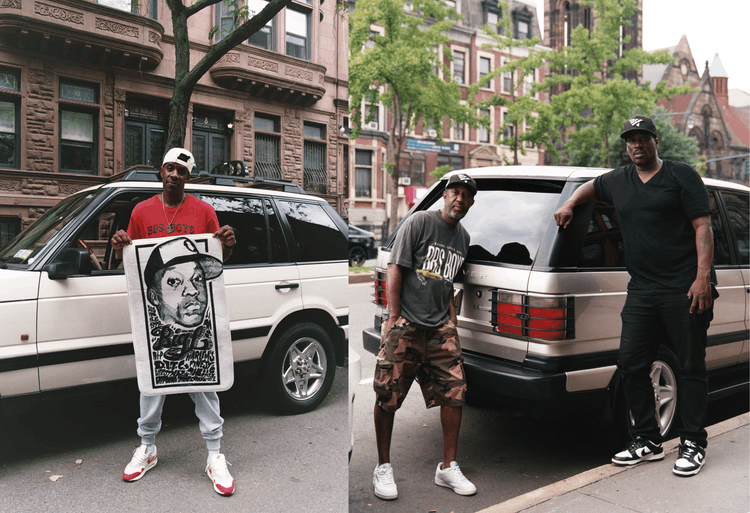
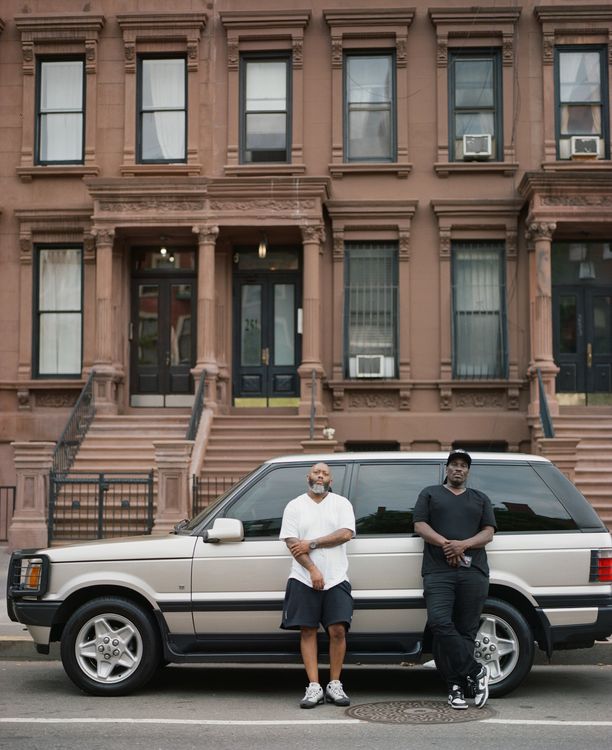
What separated the culture of the ’80s and ’90s from today? According to Reginald Frierson: An increased willingness to dance. “When I was younger, people danced,” Frierson exclaims. “Our era danced!” Frierson is the founder of the BBS Boys, an all-in-one social club, rental service and restoration project based around classic cars. A chance encounter with DJ Thoro, Frierson’s future co-founder, during a weekend drive to New York City sparked the partnership that would eventually become BBS Boys. 

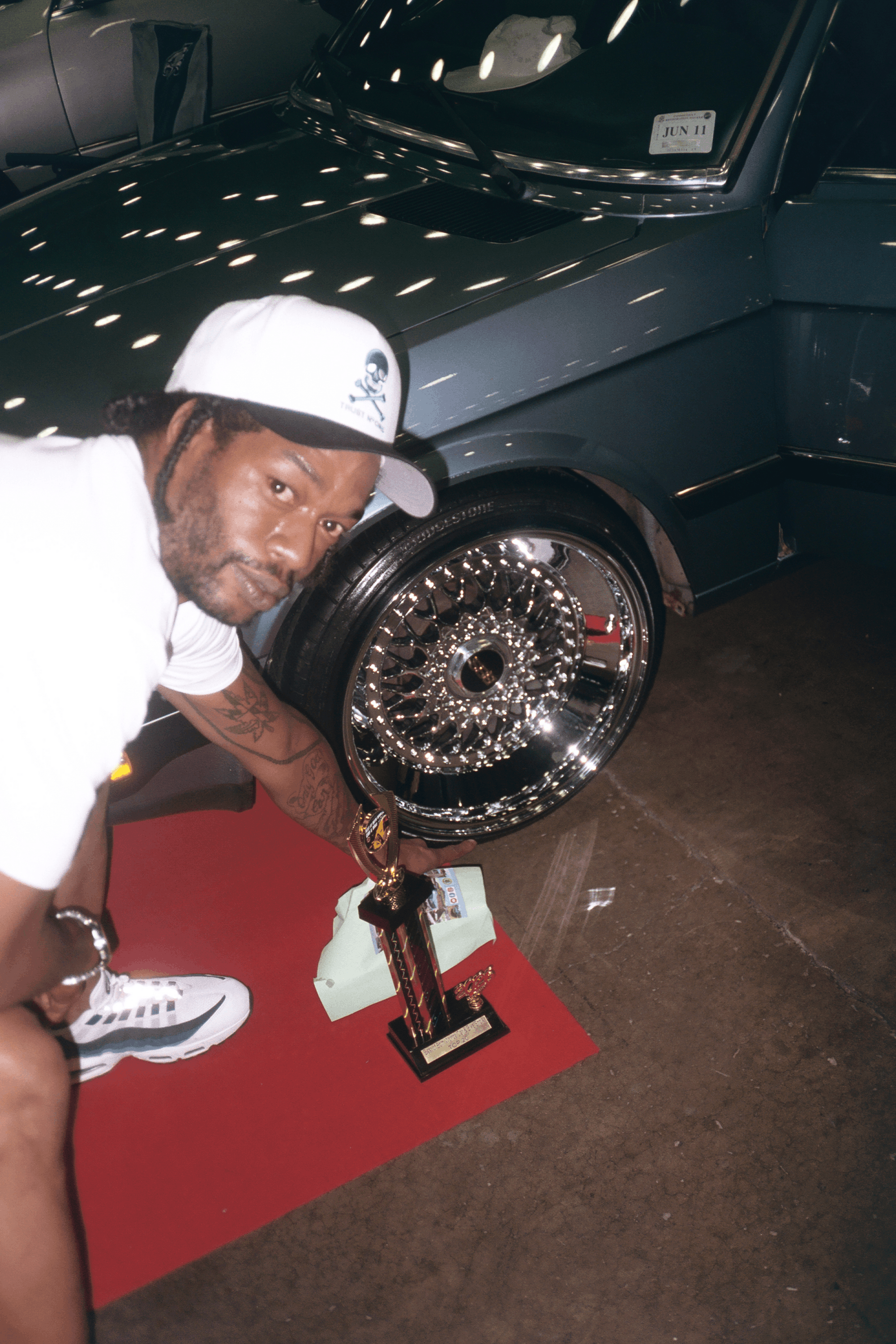
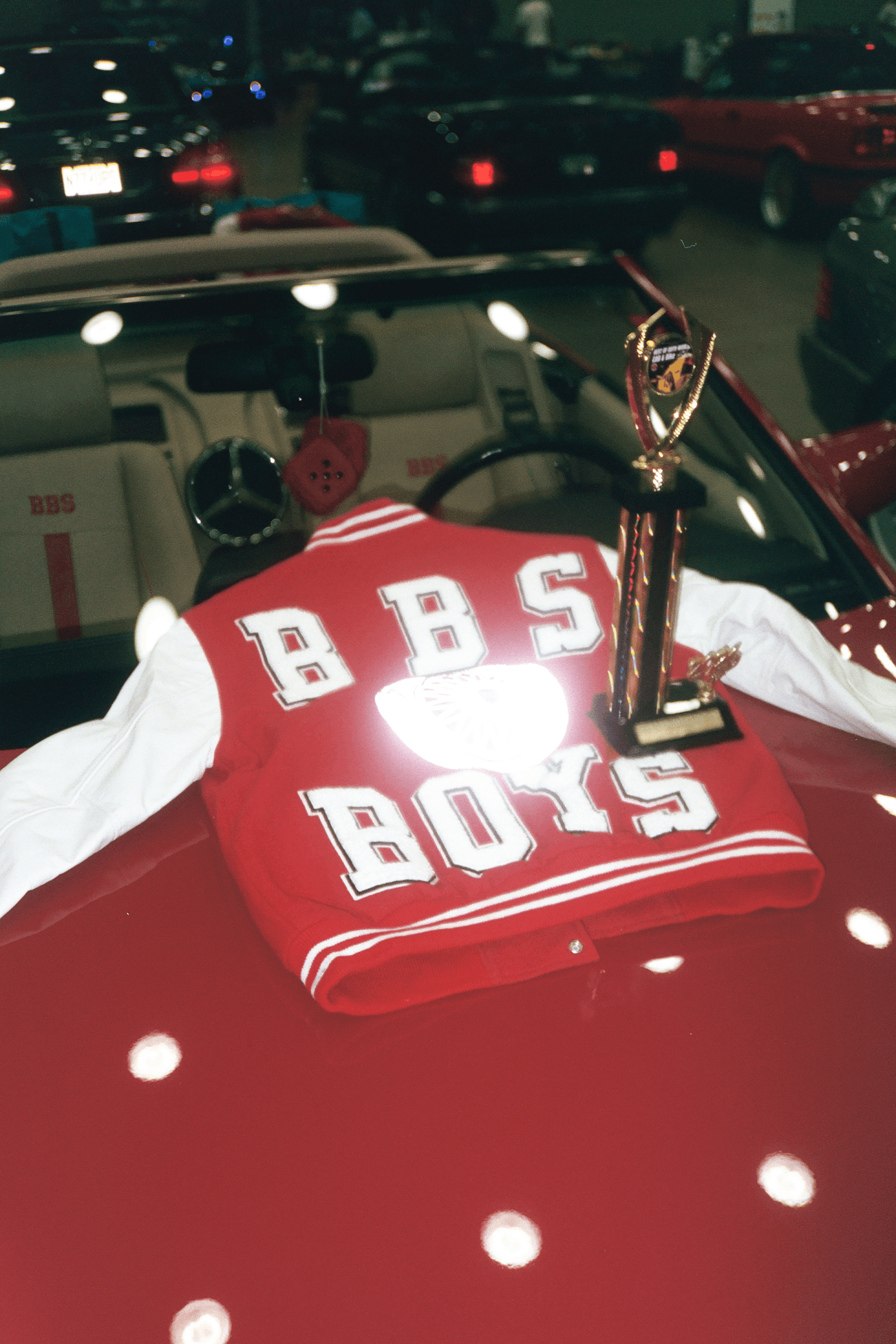
After exchanging numbers the two began planning rideouts with friends, documenting the convoys and then uploading videos to Instagram. In an unsurprising turn of events, there was an appetite for exotic vehicles from the ’80s and ’90s in mint condition, equipped with BBS wheels—a lightweight, cross-spoke design made by a German performance manufacturer.

As the page grew, so did membership and commercial opportunities. Leveraging their connections in the entertainment industry and DJ Thoro’s decades of experience in the music business, including collaborations with Wu-Tang Clan and Nas, the pair began renting out vehicles for film productions, music videos and ad campaigns.

For Frierson and Thoro, setting foot inside a car from their collections is similar to stepping into a time machine. It’s a form of lived nostalgia, removed from the curated, screen-mediated versions of the past that dominate our feeds. Speaking to the duo is an exercise in ethical old-headism. Instead of scolding younger generations or lamenting the age of mass information, Frierson and Thoro wax poetic about the ’80s and ’90s by speaking to what actually made this period distinct: individuality. 

Caught in the middle of the EV transition, Frierson and Thoro remain bullish on their preference for the internal combustion engine. “I don’t want my car self-driving,” Frierson says. “I don’t trust Waymos.” 

Below, a conversation with the founders on the golden decades of culture, nostalgia marketing and why a car is so much more than a means of transportation.
FC
For the uninitiated, describe who the BBS Boys are and what you do.
DJ
We are a car club first and a classic car rental company second. Everyone comes to us who need anything based in the ’80s or ’90s. If you’re making a movie or producing a video capturing that nostalgia you’d come to us. For instance, 50 Cent used our cars for Power because the show takes place in the ’90s.
R
We also custom build and restore cars for clients. We sold Dame Dash and Kirk Frost cars.
FC
You mentioned in the BBS Boys documentary about your dad imparting a love of vehicles to you. Was there a particular model that really stuck out?
R
My father had a couple of nice cars. The El Dorado of course. The Thunderbird. That El Dorado was so classy. Two doors, leather seats and the radio sounded so crisp. It was definitely a step up from the Thunderbird. My father was an organist and he’d take us for rides after church. We’d go to White Castle. But my father’s love for cars was contagious and I eventually got wrapped up in it too.
FC
Thoro, how did you develop an interest in cars?
DJ
Being in Harlem. It’s the mecca of custom cars. We used to play this game as kids called, “That’s my car.” Back then we’d stand on the corner or outside near 8th Avenue or Lenox Avenue, watch the cars drive down and say, “That’s my car.” Whoever called it first, owned it.
FC
Do you own any of them now, now that you’re older?
DJ
I have all of the models that I used to see when I was 8, 9 and 10 years old. My ultimate dream car was a Benz S600. I always wanted that one because I only saw basketball players, artists, doctors or lawyers with it. One time when I was on 125th St, I saw Allen Iverson going into a clothing store. He had the black coupe. I remember his exact outfit too: red Yankee fitted hat, all-white polo T-shirt, some Levi’s and Timberlands. When I saw him I thought, “one day, when I can afford this car, I’m going to wear exactly what he had on.” I was able to do that at a Nas video shoot. He used my S600 for a Calvin Klein ad and that’s what I wore. That was my AI moment.
FC
Where do you typically source cars?
DJ
Most of my cars are from the West Coast. I have a BMW 850 from San Francisco that I found on Craigslist in 2019. I had been monitoring it for four months but the owner told me it sold. Four months later, the listing was still up and the owner told me the initial buyer fell through. We worked out a number and then I flew to San Francisco. The owner came to pick me up at the airport in it. He said, “I want you to drive this to New York and send the plates back. If something goes wrong, you can keep the car and I’ll give you your money back.” It took me three days. I was scared but everything worked, had the AC on the whole time. Me and my bro drove straight through, doing 12-hour shifts.
FC
When did your car collection become less of a hobby and more of a business?
DJ
Being around the music industry, I used to notice all the rappers were spending money on cars they didn’t have. I grew a brain back then. ‘Man if I could get some cars, they would have to come to me.’ Watching the movie Paid in Full at the time, nobody had a Saab in Harlem. I couldn’t understand it. This movie is about Harlem and nobody has the 1987 Saab 900 Cabrio from the film. So I got the car and from there, people started renting it for video shoots. That’s how I met Regi!
Marinho 3305 AA008 1.pngMarinho 2530 AA029 1.png
FC
What are some forgotten makes and models from the ’80s and ’90s?
DJ
I would say it’s more about accessibility. It’s funny, in New York everything is based on what’s new. It’s not so nostalgic. Unlike in Cali, where you have Impalas. Everything here is new due to the conditions—the streets and the lifestyle. No one here has garages. Whereas out there it’s nostalgic, it’s classic. But some of the forgotten cars are the Lexus coupes, the E30. Now obviously, since we started the company—
R
Prices went up!
DJ
We single handedly have raised the price on a lot of cars.
FC
The E30 market.
R
It’s crazy overseas.
DJ
When I bought my Saab I was paying $1,300, $1,500. Now, they’re $8,000, $10,000, $15,000. No one was thinking about them in 2017. Not one person.
FC
Do you view your cars as extensions of yourselves?
DJ
Cars should definitely be an extension of your taste and personality. I’m a flashy person. I like loud colors. I have a yellow car. Another car is burgundy. I have a Coogi interior. I got a Gucci interior in the Saab. That’s my extension. I’m a flashy, fly dude.
R
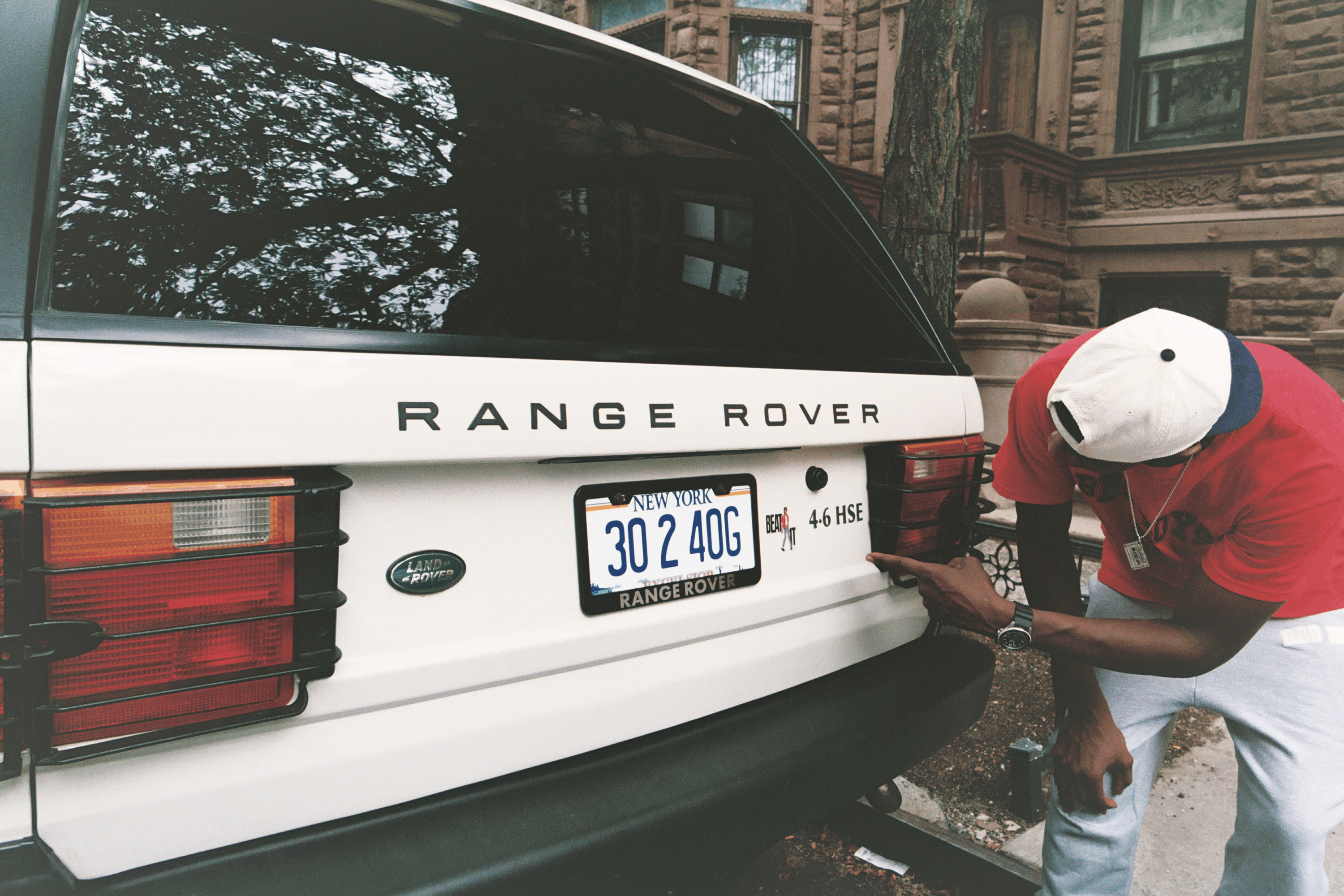
I’m the opposite. Thoro customizes cars and they look great. Besides some stickers, all my cars are unmodified. I make sure they’re clean and then I ride out.
FC
Do you have a favorite drive or one that holds a special place in your heart?
DJ
For me it would be the landmarks we always seem to hit during rides: the Big L wall, Rucker Park, Sylvia’s and the Apollo. Those are just legendary spots associated with cars that people have been going to forever.
R
Going down the highway to the Jersey Shore. Roads are smoother. You can really put your music on. Let your top down. The highway is open. You don’t want to be hitting potholes. Thoro hit a pothole on the West Side Highway. It took the wheels off his car.
DJ
That wasn’t a pothole, that was a swimming pool.
FC
What made the ’80s/’90s so special to both of you? And what do you think of contemporary hip-hop, fashion and hoops?
DJ
It all had an identity. Especially the cars. Let’s take the new BMWs versus the ’90s models. The 8 series now, 6 series, 4 series…they all look the same. Whereas in the ’90s the 8 series had flip-up headlights, the 6 series had a shark nose, the M3 had flared fenders. All the models had an identity. Nothing looked alike. And it extended throughout culture, like in music. It was taboo to sound like someone back then. That was forbidden. Biz Markie didn’t sound like Ice-T. De La Soul didn’t sound like NWA. You see where I’m going with this? Now? Everyone speaks the same lingo. Everyone sounds the same. Dresses the same. You don’t know where anyone’s from. There’s no distinct identity anymore. That’s the biggest difference.

WRITER: Will Gendron
IMAGES: Gustav Marinho