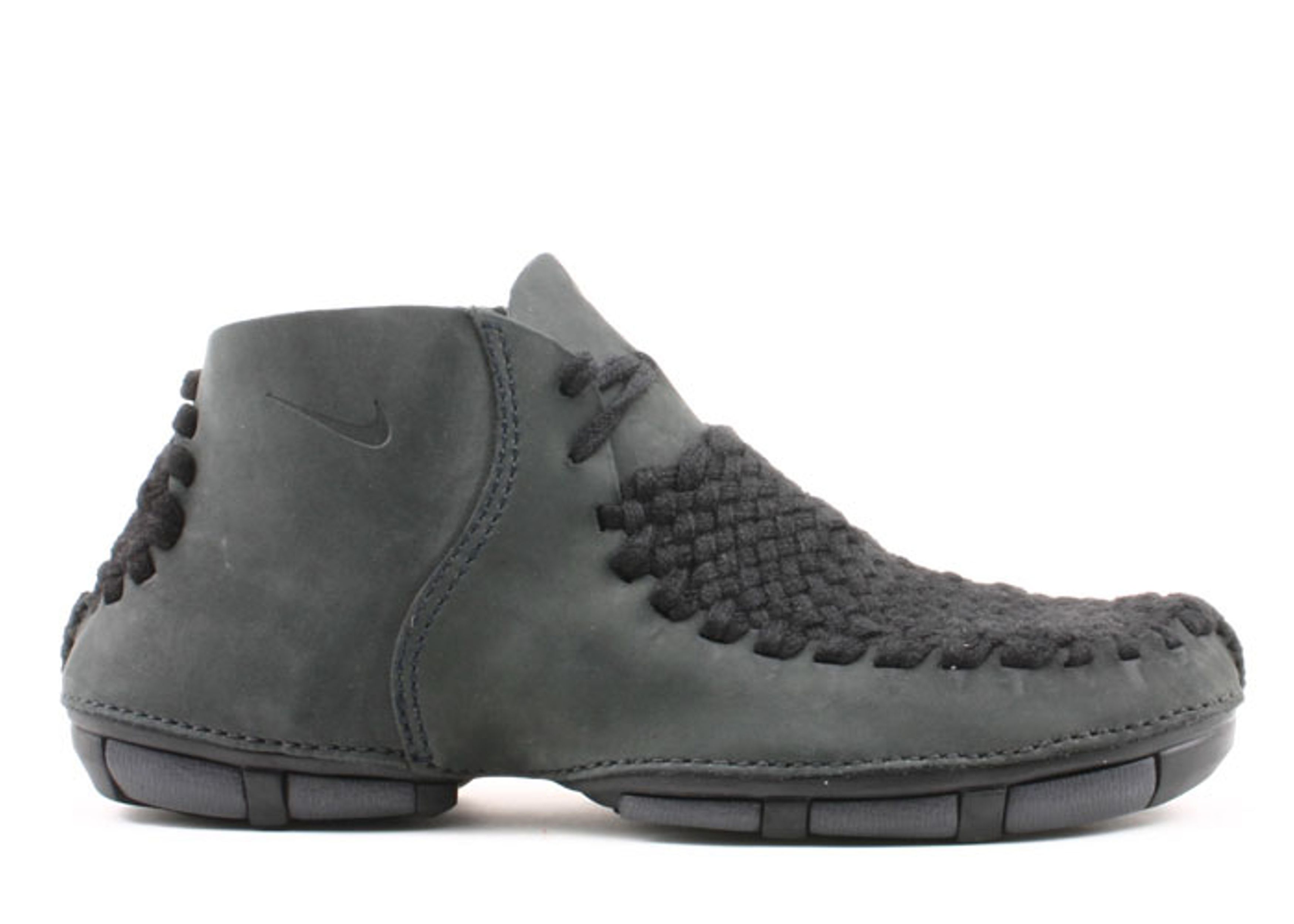
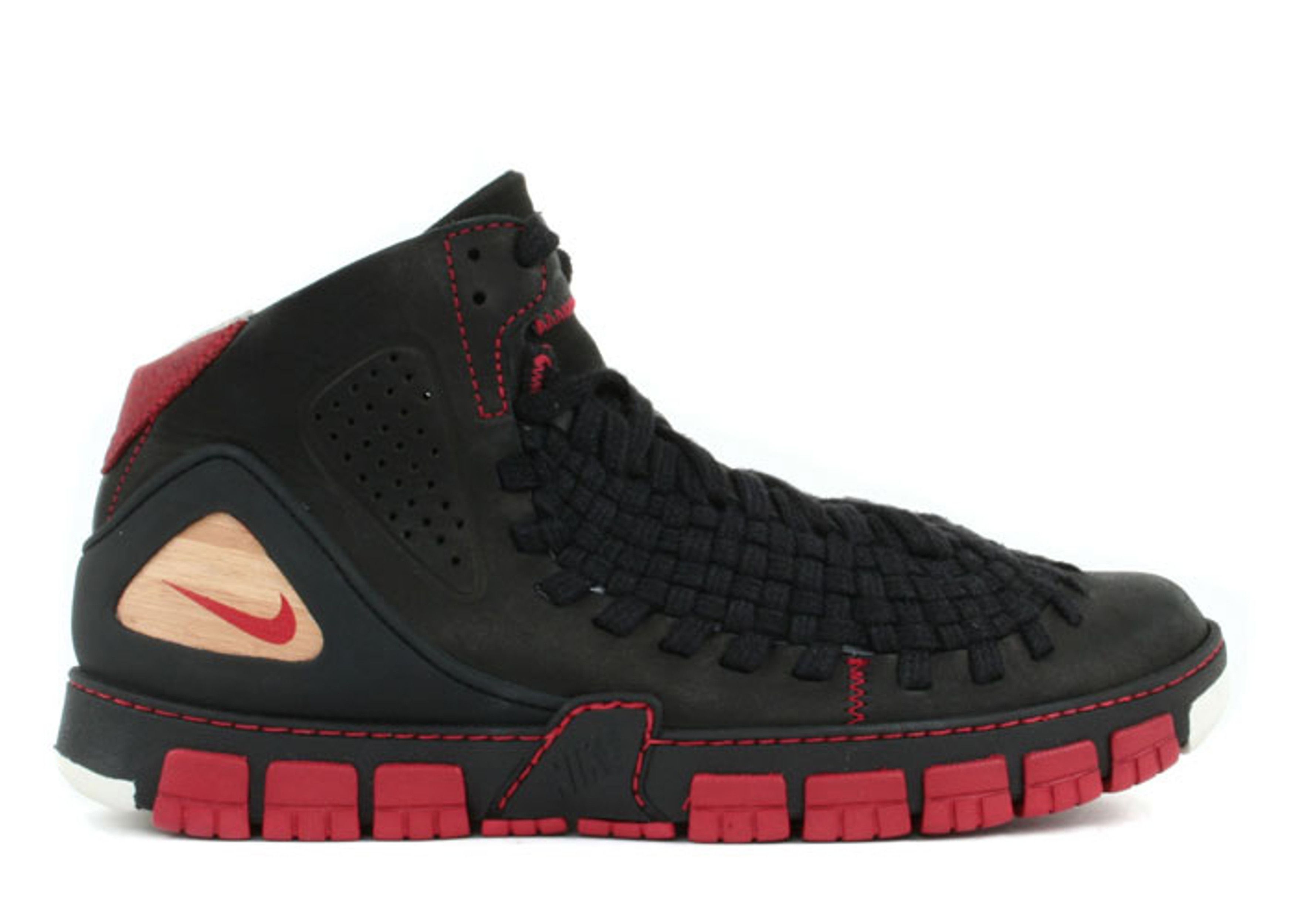
Nike Considered Boot: The Sustainable Sneaker That Was Years Ahead of Its Time
Today, sustainability has become one of the biggest conversations in footwear. Brands now promote recycled materials, circular design and lower-impact manufacturing as the future of sneakers. But more than 20 years ago, Nike quietly launched one of its most ambitious design projects, a boot that challenged nearly every convention of modern footwear production.
Welcome to Flight Club: Esoterics, where we revisit the overlooked silhouettes, forgotten innovations and cult classics that helped shape sneaker history.
A Radical Experiment in Sustainable Design
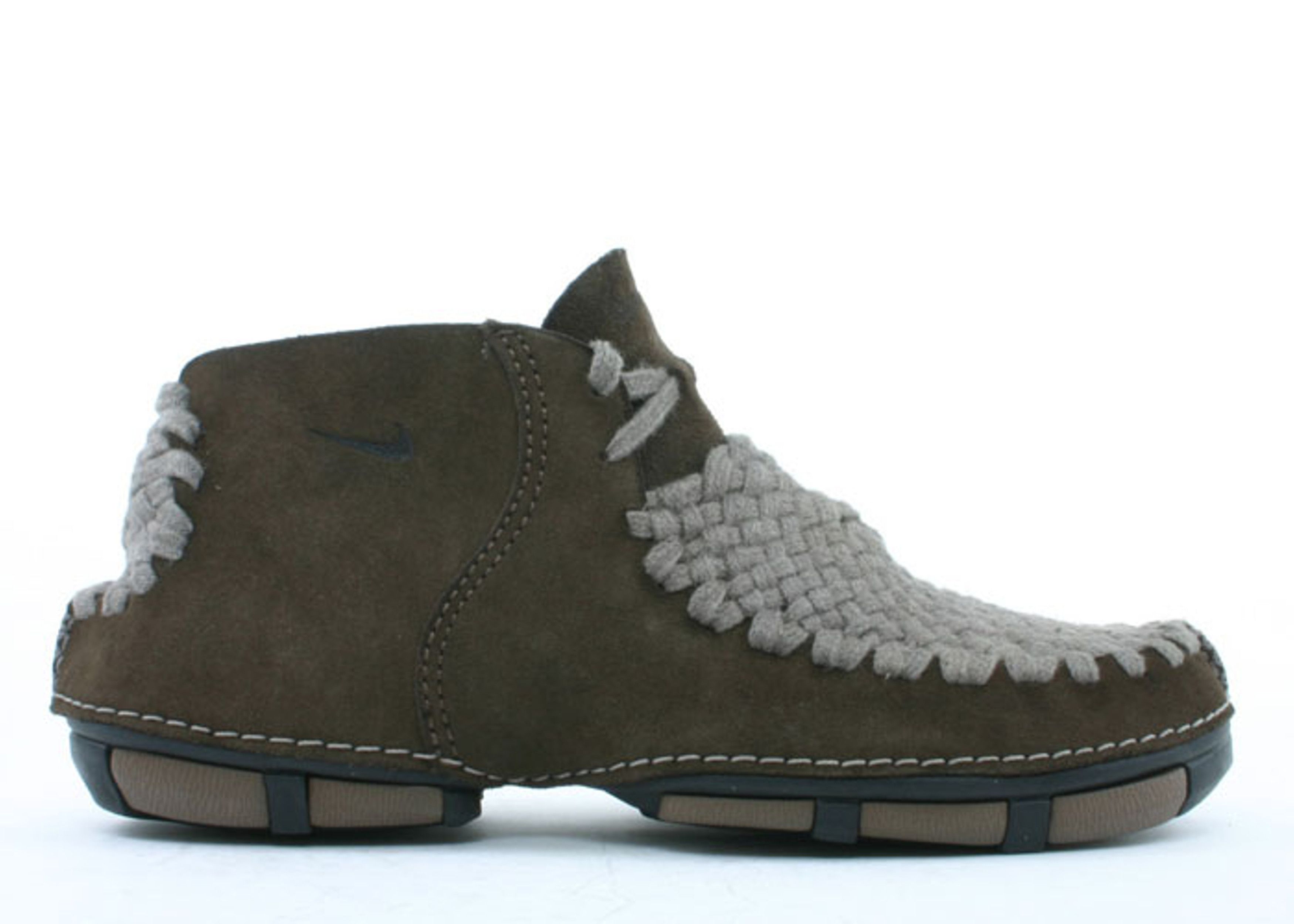
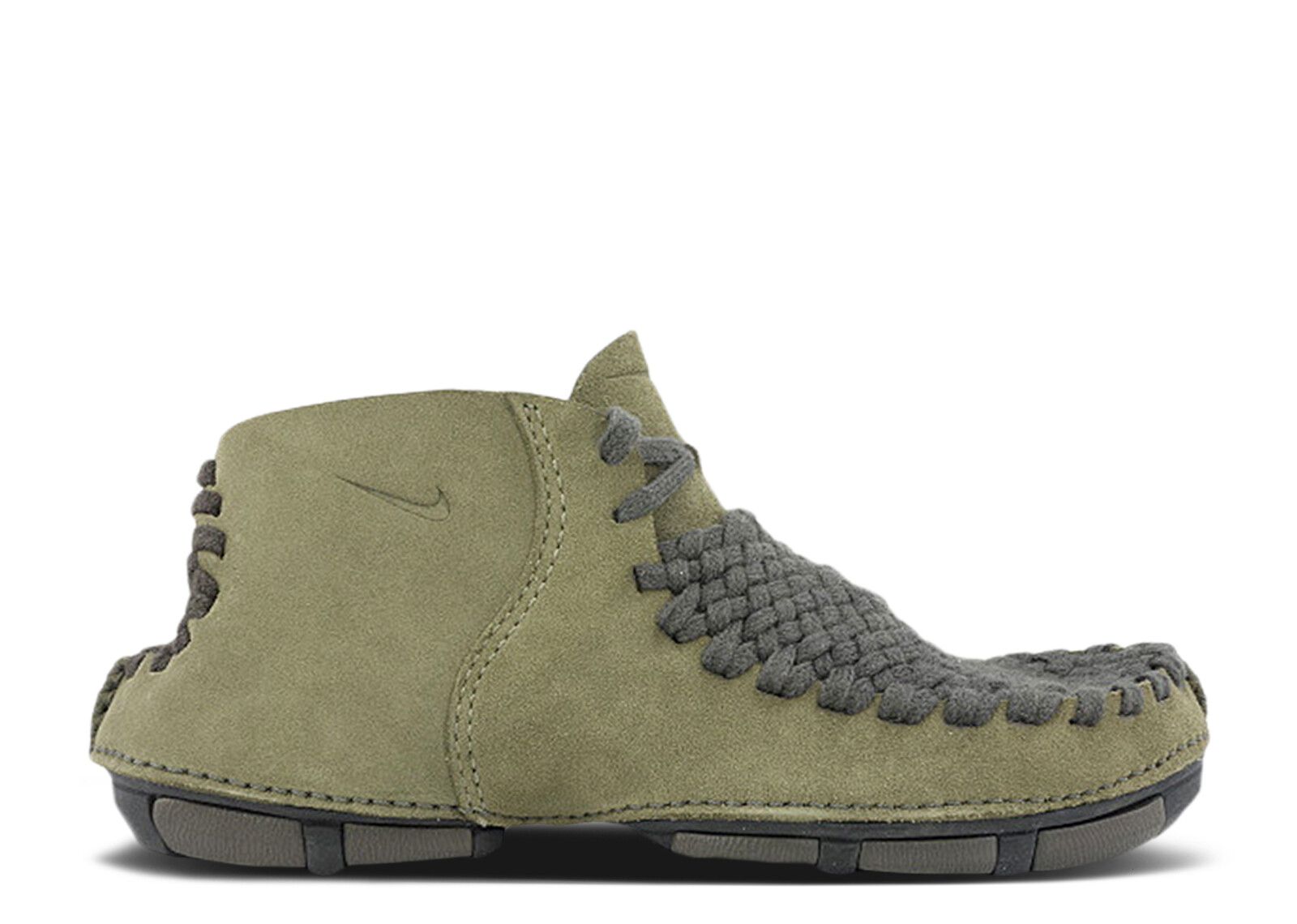
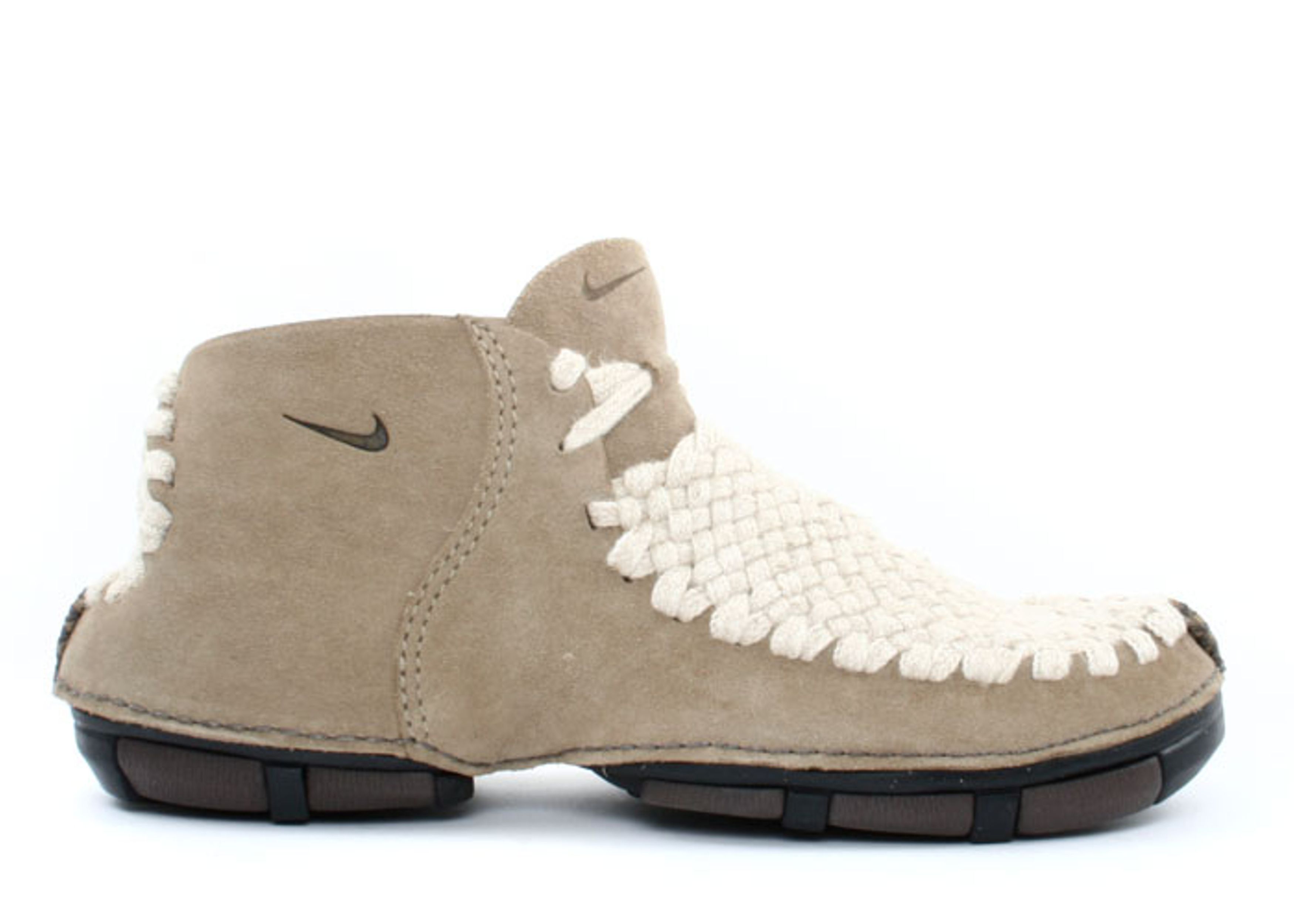
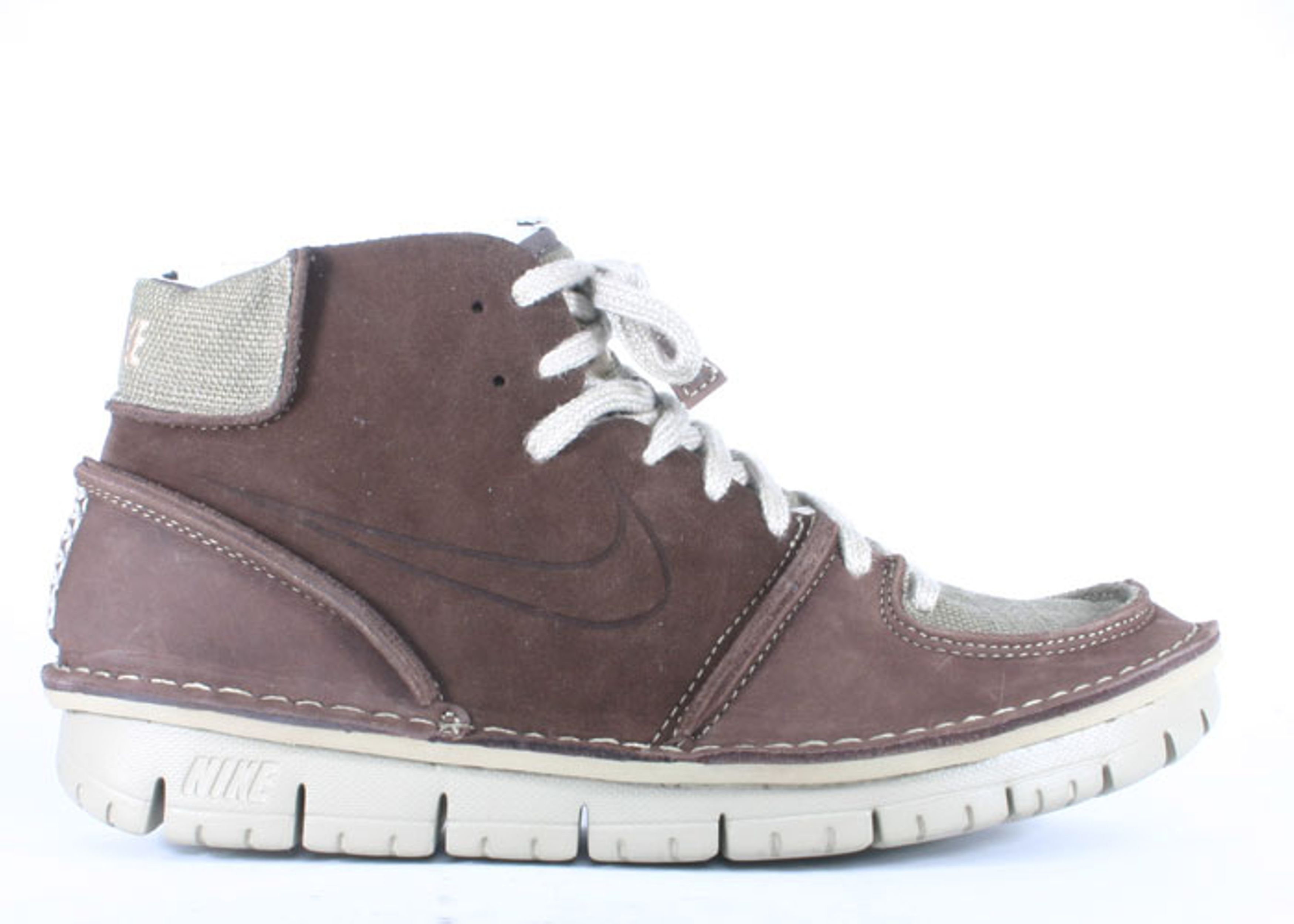
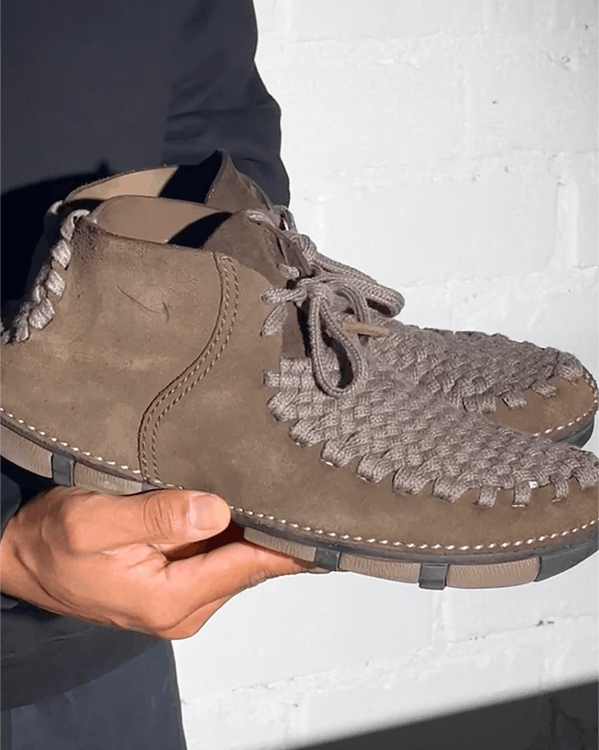
Released in 2005, the Nike Considered Boot represented one of the most forward-thinking projects in Nike history.
Led by Nike visionaries including Tinker Hatfield, Mike Aveni, Richard Clarke and Steve McDonald, the Considered project was built around a simple but ambitious challenge: create a sneaker with minimal environmental impact while rethinking every stage of the manufacturing process.
At the time, athletic footwear depended heavily on solvent-based adhesives, petroleum-derived materials and sprawling global supply chains. Rather than making incremental improvements, the Considered team rebuilt the process from the ground up with strict design constraints that forced every material and construction method to serve a purpose.
Rethinking How Sneakers Were Built
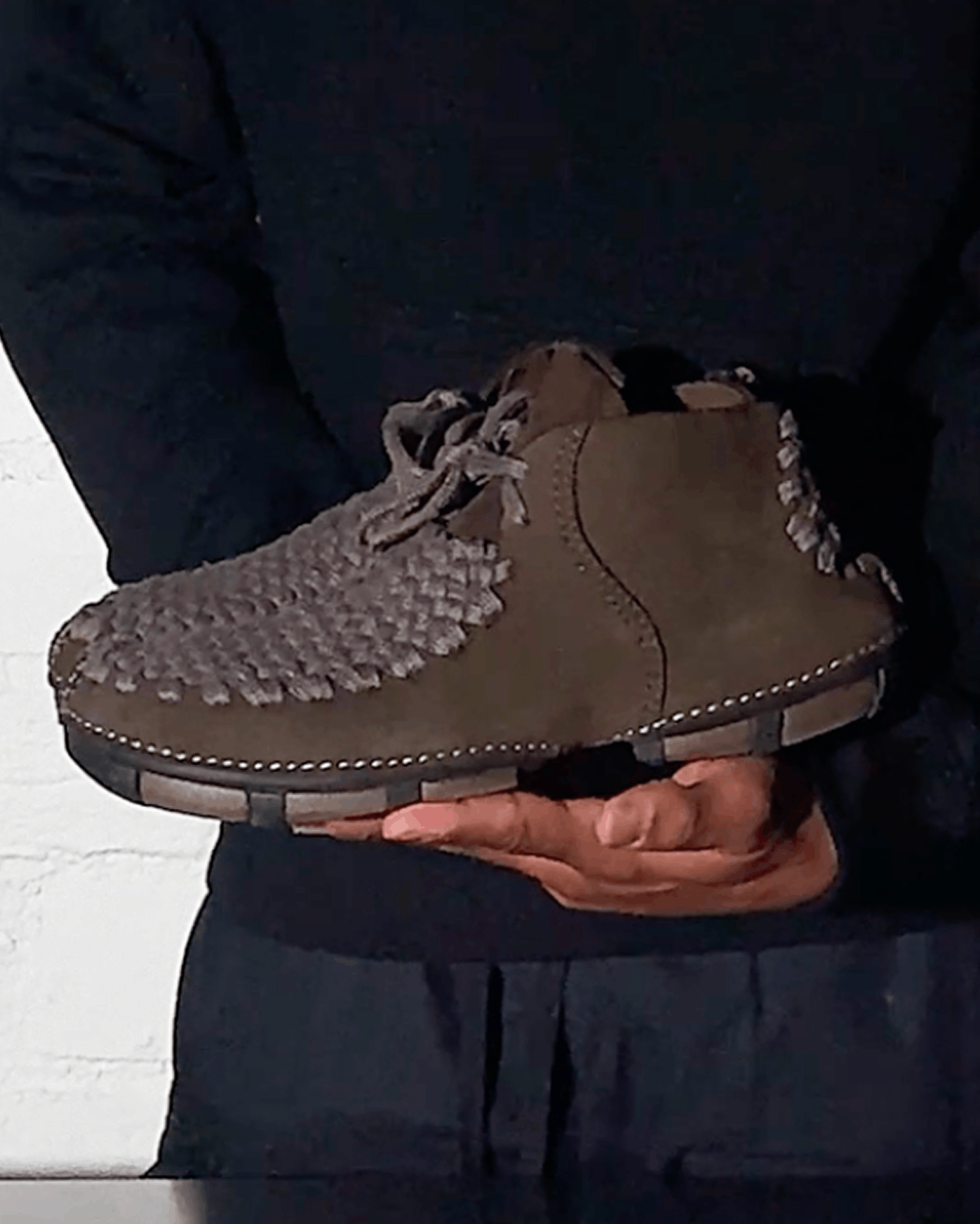
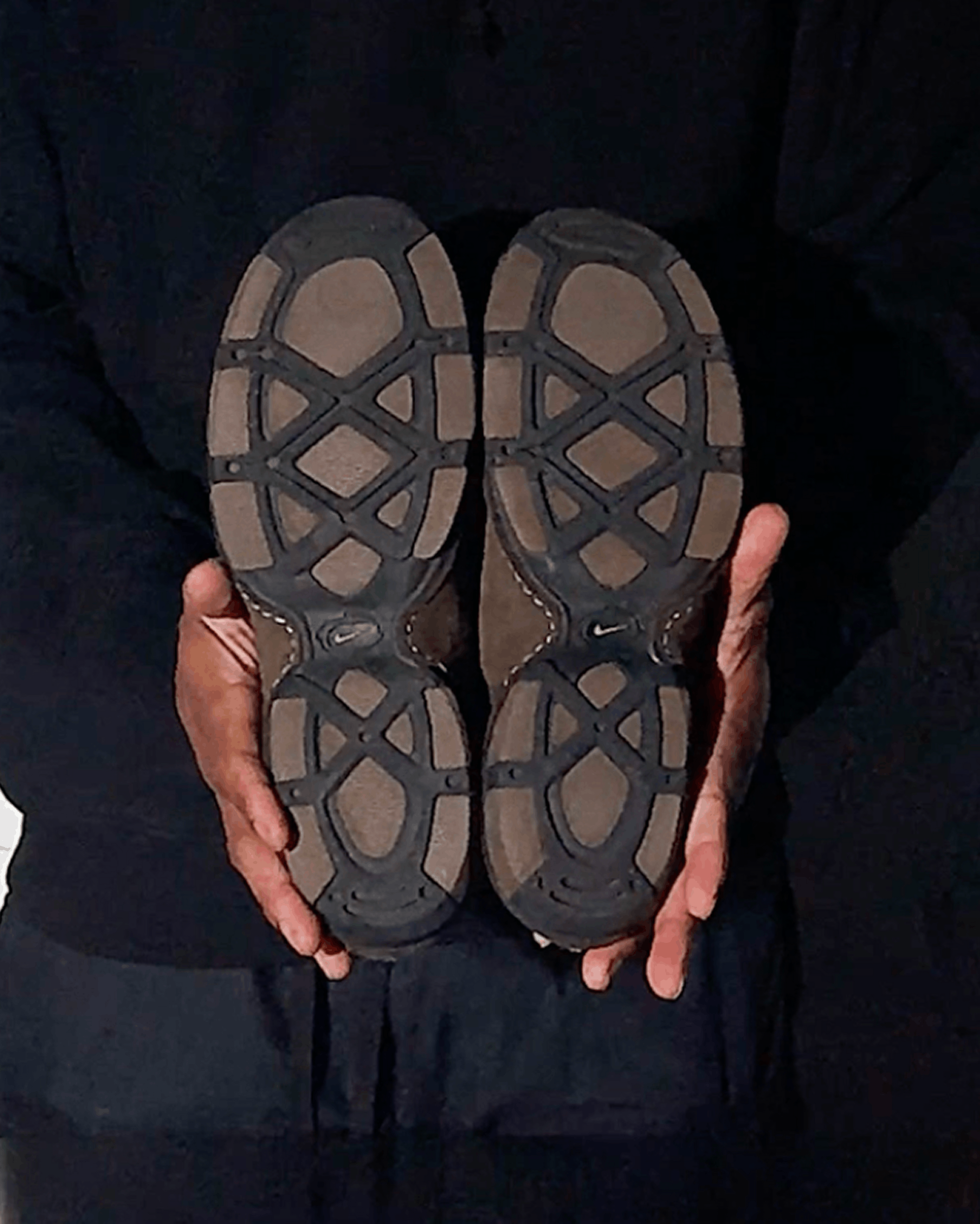
The Considered Boot looked unlike anything else on the market, but its biggest innovations were hidden beneath the surface.
Instead of relying on toxic solvent-based glues to bond the upper to the sole, Nike used a continuous hemp lace that was hand woven through the leather perimeter to mechanically secure the suede upper. The construction reduced adhesive use by more than 80 percent while creating one of the boot's most recognizable design details.
The project's sustainability goals extended well beyond construction. To reduce transportation emissions, all leather, hemp and rubber had to be sourced within a 200-mile radius of the manufacturing facility in Thailand.
Perhaps most impressively, the boot was designed with its end of life already in mind. Because its components were not permanently fused together with heavy chemical bonding, the shoe could be unraveled, separated into raw materials and processed through Nike's Reuse-A-Shoe recycling initiative.
A Legacy That Changed Nike
The Considered line was short-lived, but its influence reached far beyond its brief production run.
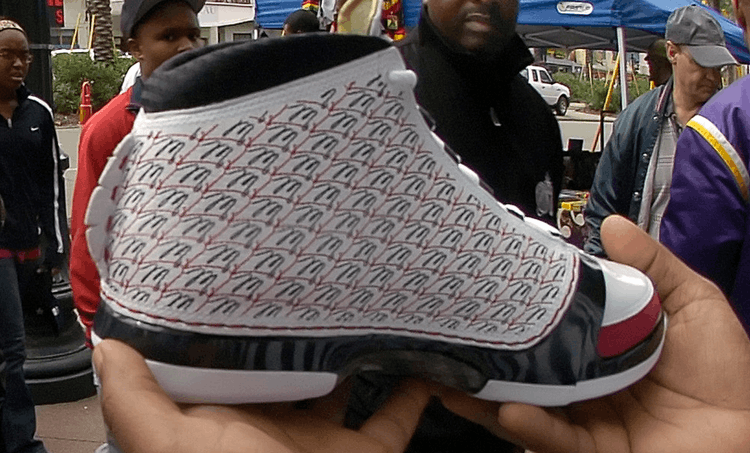
Many of the ideas first explored through the project resurfaced in landmark releases like the Air Jordan XX3. Its emphasis on thoughtful material selection, modular construction and manufacturing efficiency also helped inspire future innovations such as the Flyknit, Space Hippie and ISPA.
Today, original pairs of the 2005 Nike Considered Boot are considered grails among vintage Nike collectors. What began as a niche sustainability experiment is now recognized as one of the brand's most important design milestones because it was willing to question how every pair of shoes should be made in the first place.