FRIENDS & FAMILY: JAEKI CHO
For Jaeki Cho, sneakers have always represented more than footwear. Growing up in Queens as an immigrant, the ex-music journalist and community leader's pursuit of a coveted pair became intertwined with ambition, identity and community. Long before building Righteous Eats into a platform to uplift struggling restaurants, Cho learned how culture moved through neighborhood sneaker stores, local communities and the stories that everyday people shared. In this edition of Friends & Family, he reflects on the neighborhoods that shaped him, the sneakers that fueled his dreams and why authenticity matters more than hype.
FC
For those who may not know you, can you introduce yourself?
JC
My name is Jaeki Cho. I'm from Queens, New York. I run a channel called Righteous Eats, where we highlight local mom-and-pop restaurants and neighborhood eateries. I'm a full-time content creator—or, as my mom likes to tell her friends, a YouTuber.
FC
How have sneakers changed over the years?
JC
Modern sneaker culture has shifted toward creating prestige around products, but growing up, a fresh pair of sneakers meant something different.
For a lot of inner-city kids, having a new pair once or twice a year—whenever your mom could afford it—boosted your confidence. It gave you something to look forward to. It created ambition. That was definitely true for me.
FC
What sneaker did you really want growing up?
JC
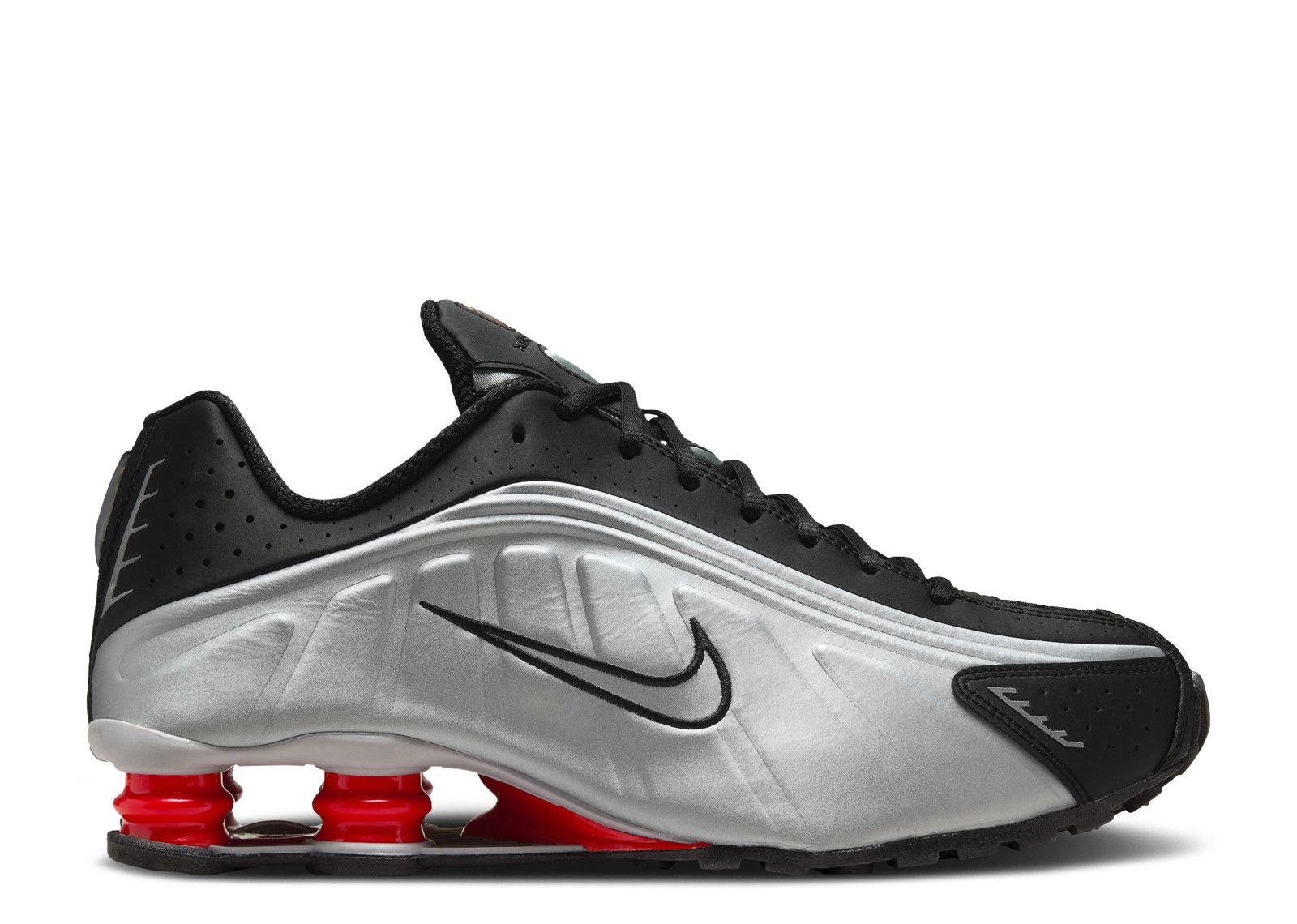
The first pair I really wanted was the Nike Shox when they first came out. The retail price was $150. At the time, the rent for our apartment was $800, so my mom looked at me and said, "There's no way I'm buying you those. We're going to Payless."
I ended up with the $18 pair instead.
Even at nine years old, I already knew what pulling up to school in Payless meant. But looking back, that builds character.
FC
What was it like growing up in NYC?
JC
Being an immigrant teaches you to adapt quickly. The United States was the third country I lived in, so I had to learn English as my third language.
Luckily, I grew up in Jackson Heights, Elmhurst, Woodside and Flushing—places I consider the modern-day Ellis Island. They're neighborhoods where immigrant communities settle, build businesses and create opportunity.
That became my foundation.
FC
How did you start Righteous Eats?
JC
I was fascinated by hip-hop culture growing up, and that eventually led me to writing about the things I loved. Working at Complex and XXL taught me how to tell stories.
Years later, when I had the opportunity to become a full-time content creator, I applied those same storytelling skills to something I noticed during the pandemic.
A lot of neighborhood restaurants didn't have access to PPP loans, venture capital or marketing budgets. They couldn't afford PR agencies, and many didn't understand how quickly the media landscape was changing.
At that point, I had built a following on TikTok and Instagram, so I thought, "Why not use these skills to help shine a light on these businesses?"
That was really the genesis of Righteous Eats.
FC
What are your thoughts on today’s sneaker economy?
JC
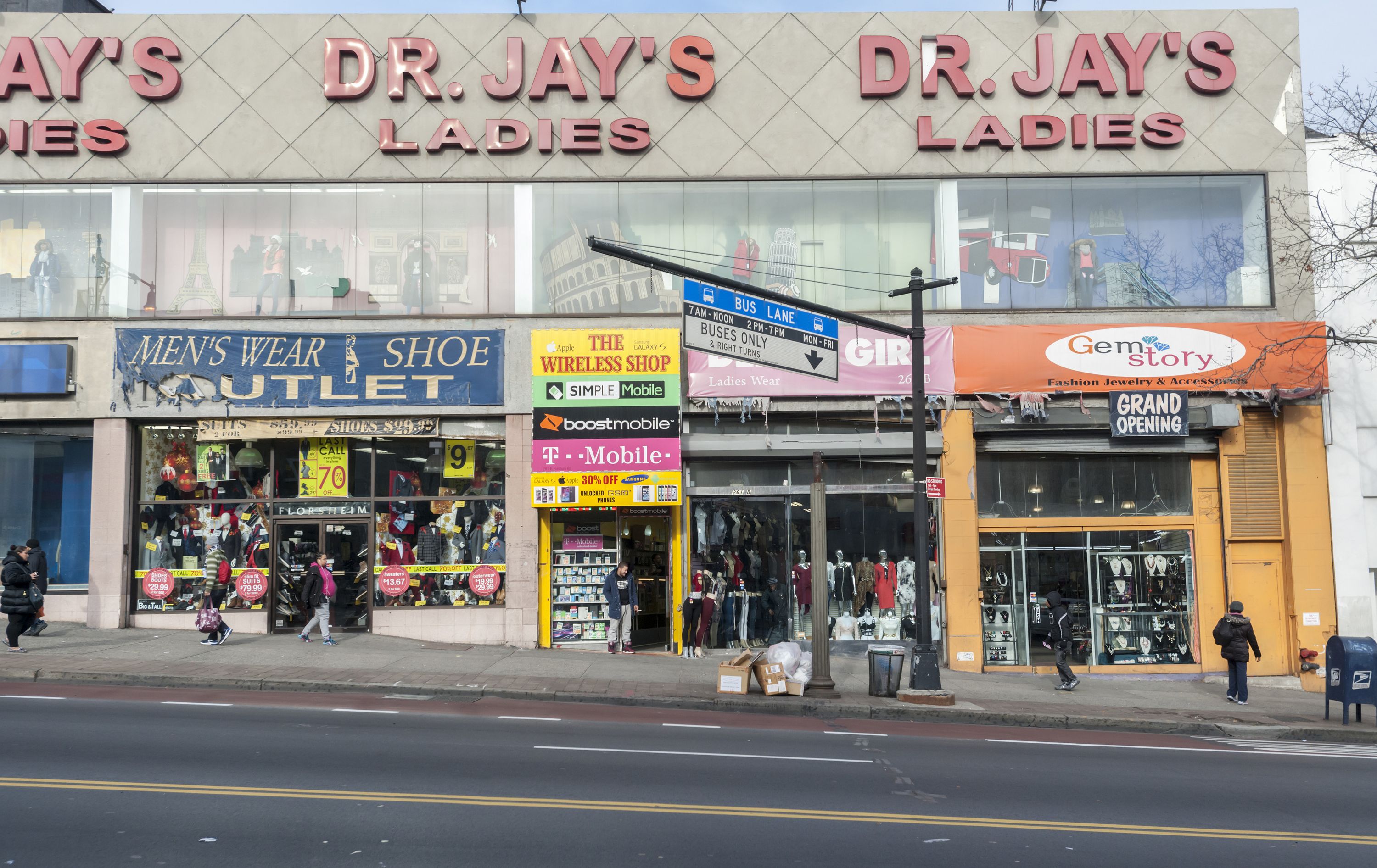
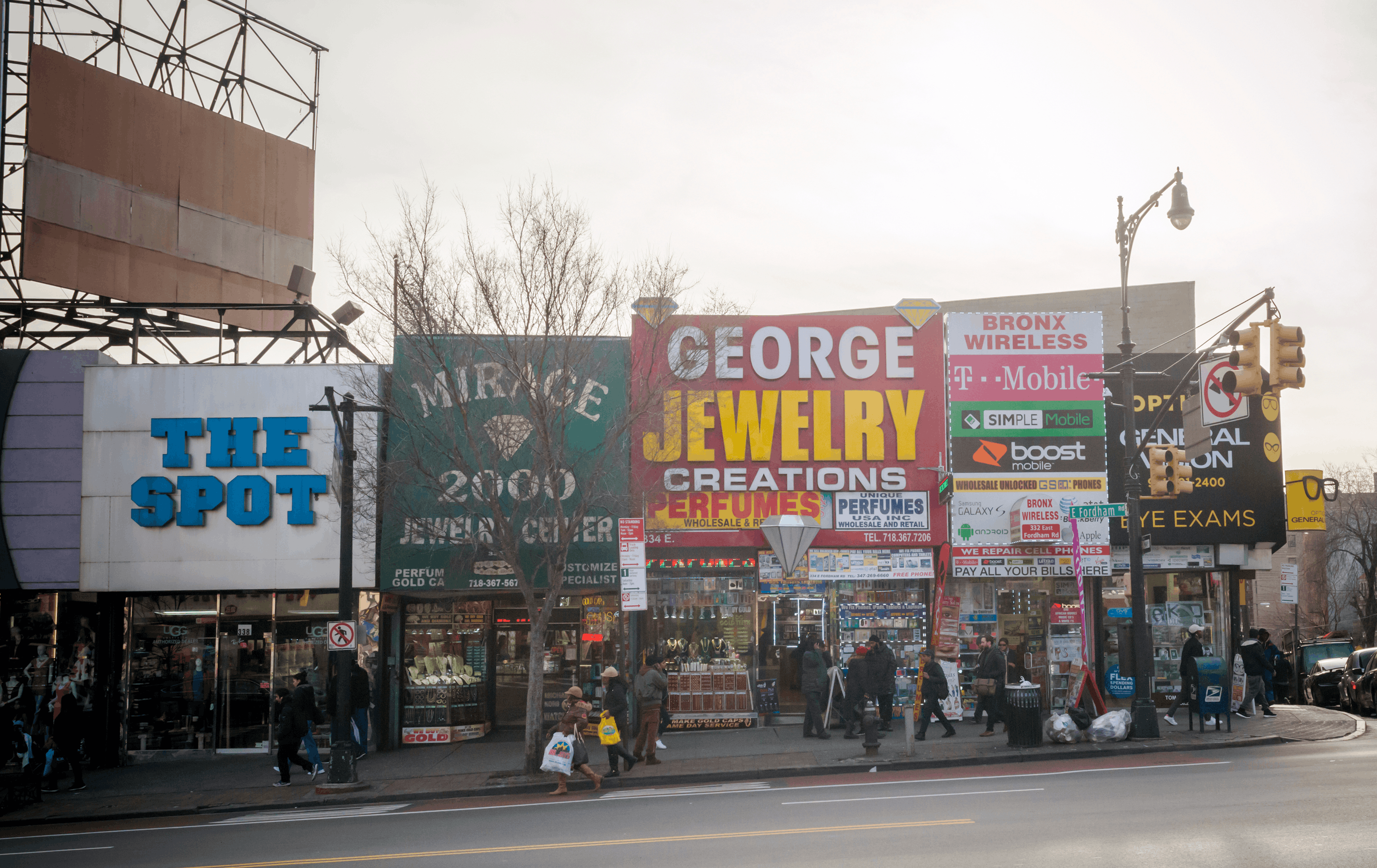
The mom-and-pop sneaker stores in places like Fordham Road, Jamaica Avenue, Junction Boulevard, Fulton Street and Utica Avenue were anchors for their communities.
A lot of these stores were owned by Jewish and Korean-American immigrants, and they became the places where people in underserved neighborhoods could actually access new sneakers.
Back in the '80s and '90s, brands still depended on those independent retailers to build their business. If a new pair of Jordans was dropping and you wanted them early, you'd go see Mr. Kim on Fordham Road, pay a little extra and walk out with your pair before anyone else at school.
That was part of the culture.
Today, that's why curated marketplaces matter. If you can afford it, you don't have to camp out overnight, fight crowds or compete with bots. You can simply walk in, find the pair you want and make the exchange.
FC
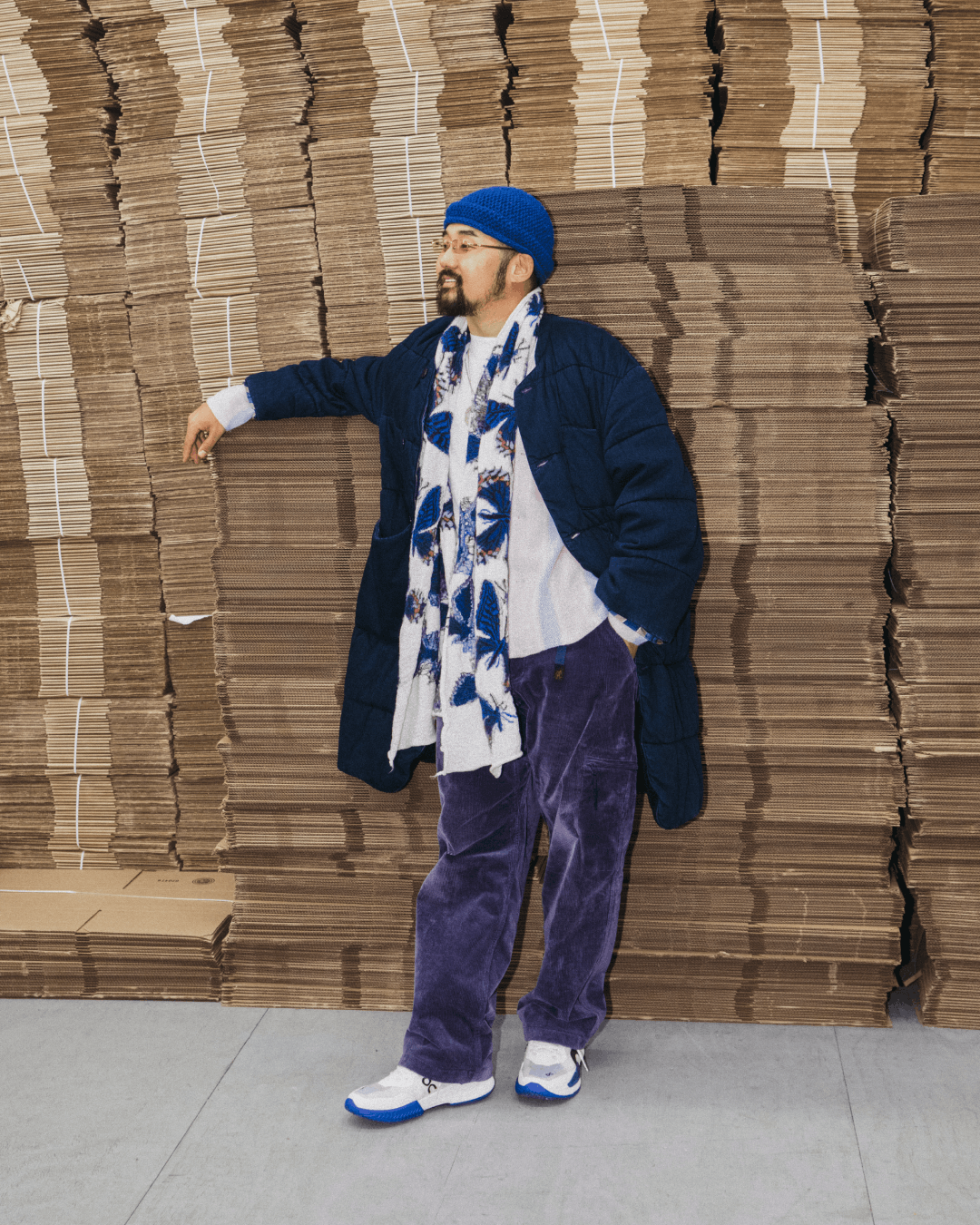
Walk us through your fit.
JC
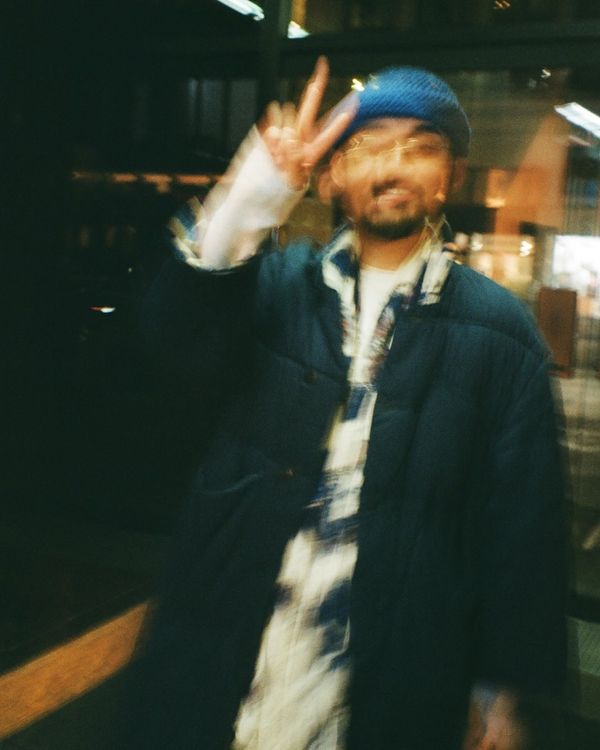
The hat was knitted by a woman in Morocco.
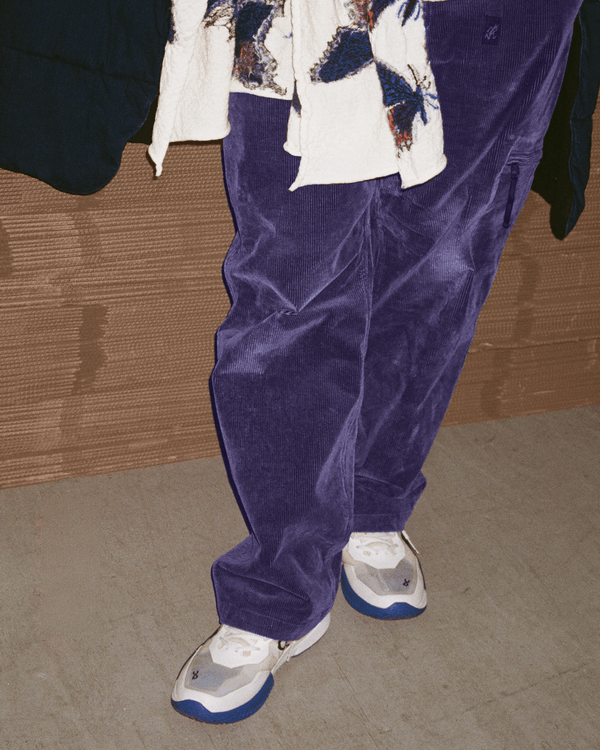
The jacket is Kapital. The sweater is also Kapital. Underneath is Guest in Residence.
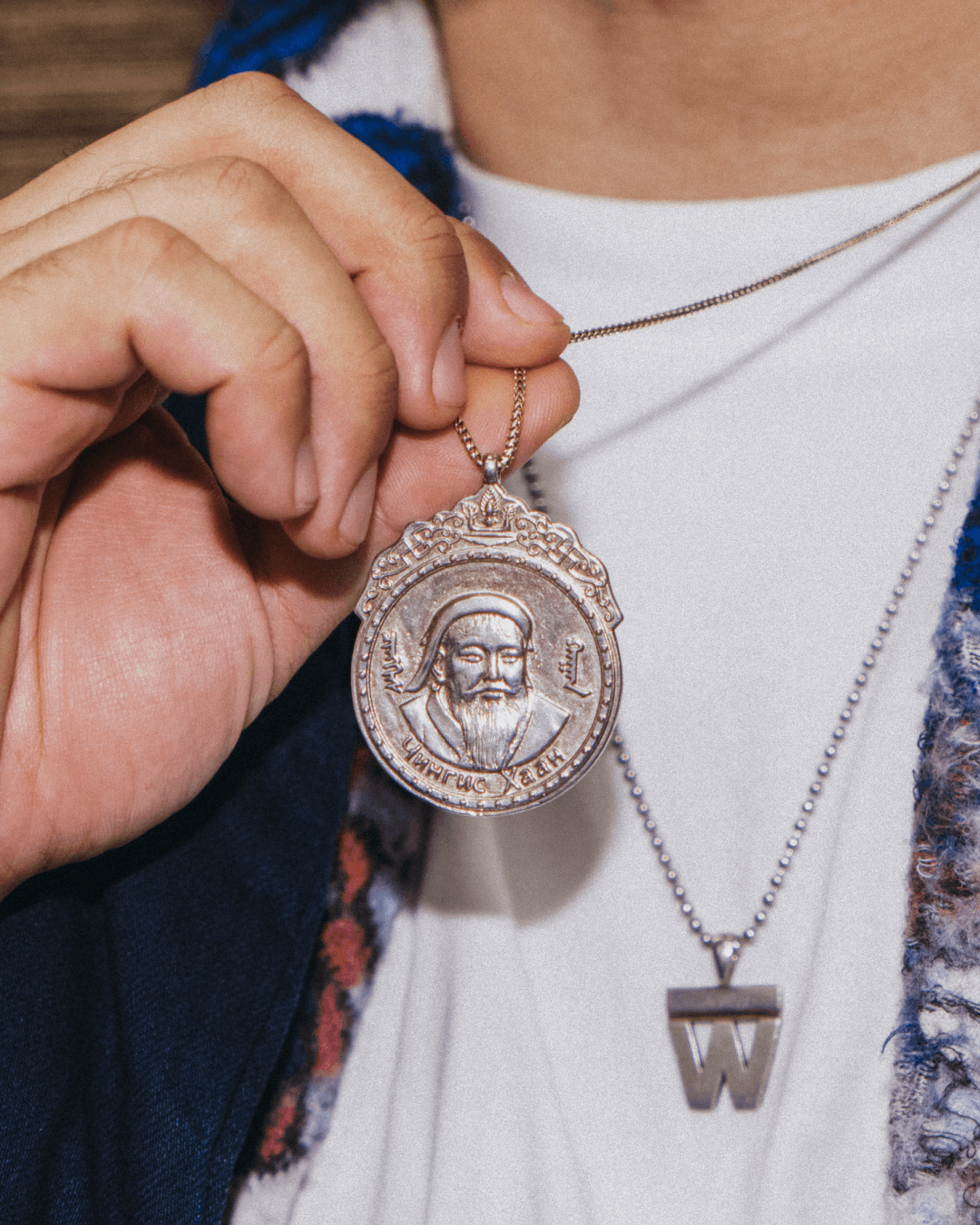
I picked this pendant up in Mongolia. Boom—Genghis Khan right there.
The pants are Gramicci, and the sneakers are the Roger Pro 2 from On.
FC
What do you remember about Flight Club?
JC
You guys are a legacy brand.
I remember when Flight Club was next to NYU. I'd pull up all the time, couldn't afford anything in the store and would just stare at the sneaker wall for an hour until someone eventually kicked me out.
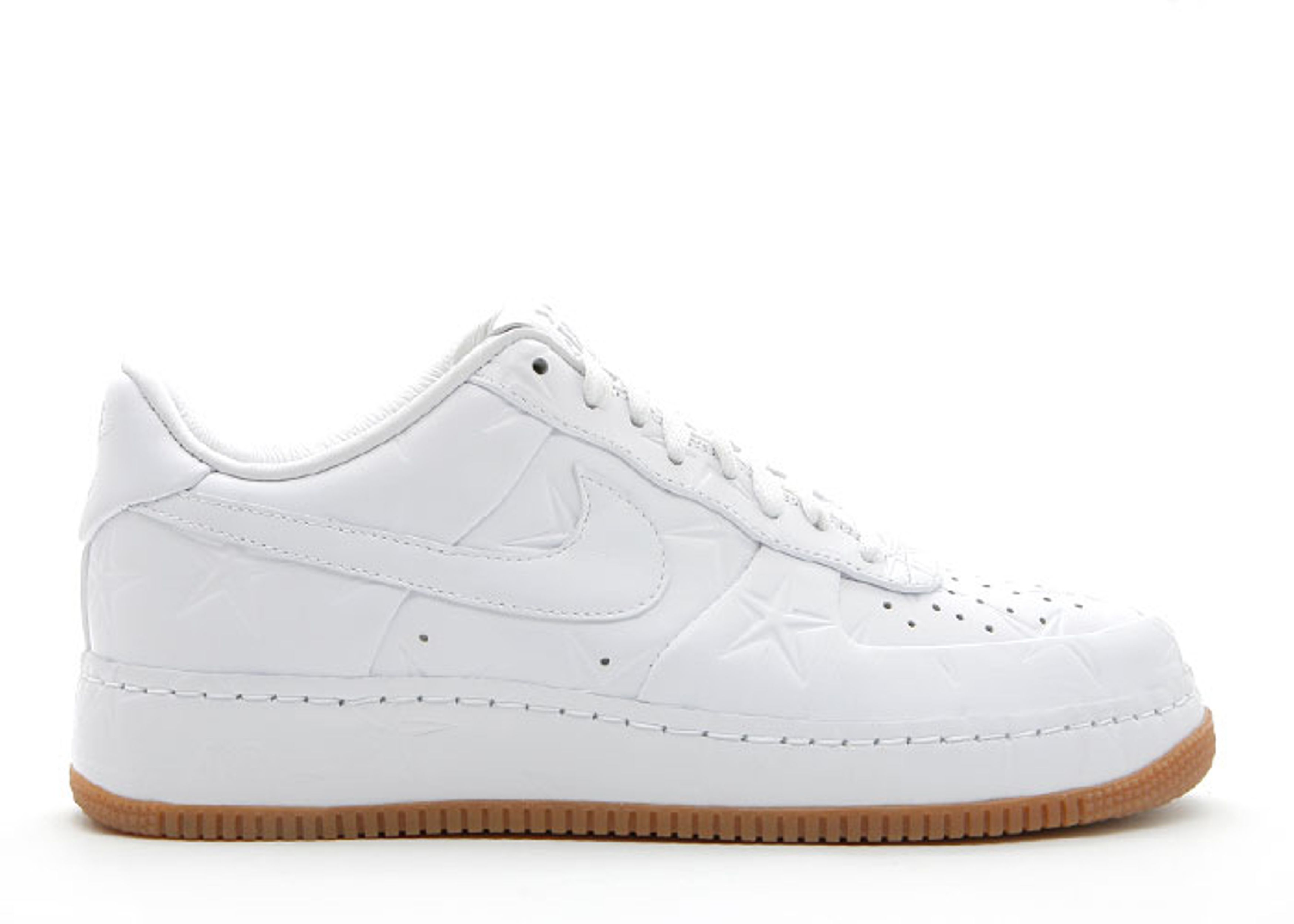
Years later, one of the first pairs I bought from Flight Club was the white ALIFE x Nike Air Force 1. I definitely paid a price I was embarrassed to tell people back then—but that was probably 12 or 13 years ago now.
FC
Which sneakers hold emotional value?
JC
This is definitely a biased answer because I've worked with On.
The store I was a partner in, Alumni, was the first lifestyle retailer in New York City to carry the brand. When they released the purple Cloudmonster, I wore that pair while running my first New York City Marathon.
That shoe represents a really meaningful chapter in my life. I had become a partner with the brand, I got to wear one of their biggest releases at the time, and I crossed the finish line of my first marathon in them.
The connection runs deep.
FC
What advice would you give to the next generation?
JC
These sneakers, these designs and these products—they don't define who you are.
Brands want to tell you that certain shoes represent culture, but that's never been the full story. Companies make the product. The people create the culture.
Puma Suedes didn't become cultural icons because Puma said they were. They became iconic because B-boys wore them with fat laces, untied them and made them their own.
Don't let marketing convince you that buying the latest limited release makes you part of culture.
If you want to wear an $18 pair from Payless and bring your own story and identity to it, I salute you for that.
Culture has always belonged to the people—not the product.
FC
Q: What is the pair of sneakers that symbolize "I made it"?
JC
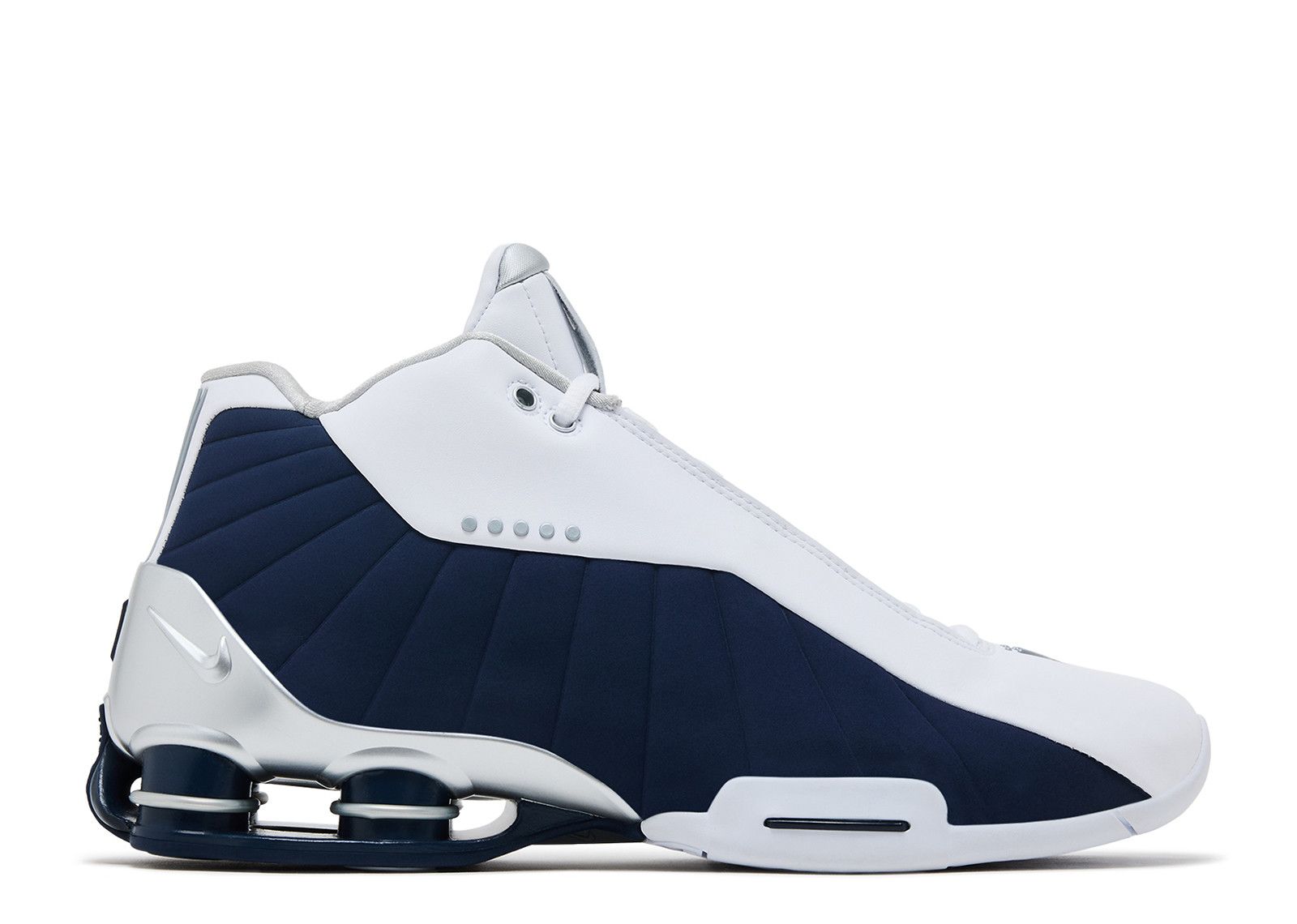
The original Nike Air Shox.
The fact that I can walk into Foot Locker and say, "Let me get every color," and actually be able to afford it—that means something.
Looking back, it's one of those moments where I can tell myself, "Your boy worked hard."
That's the pair for me.